
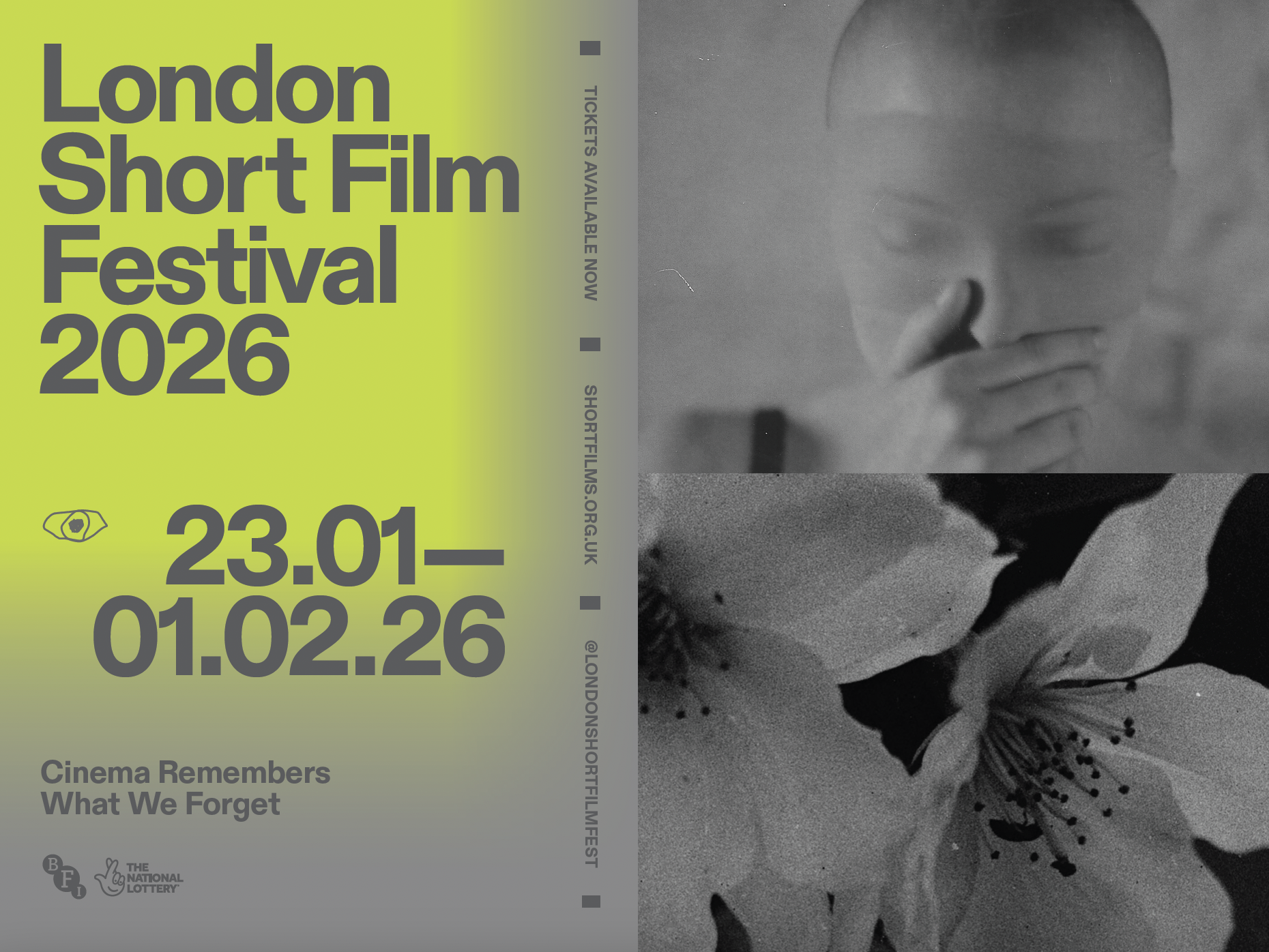
PROJECT: London short film festival 2026
Short Films, Shared Spaces. Record admissions.
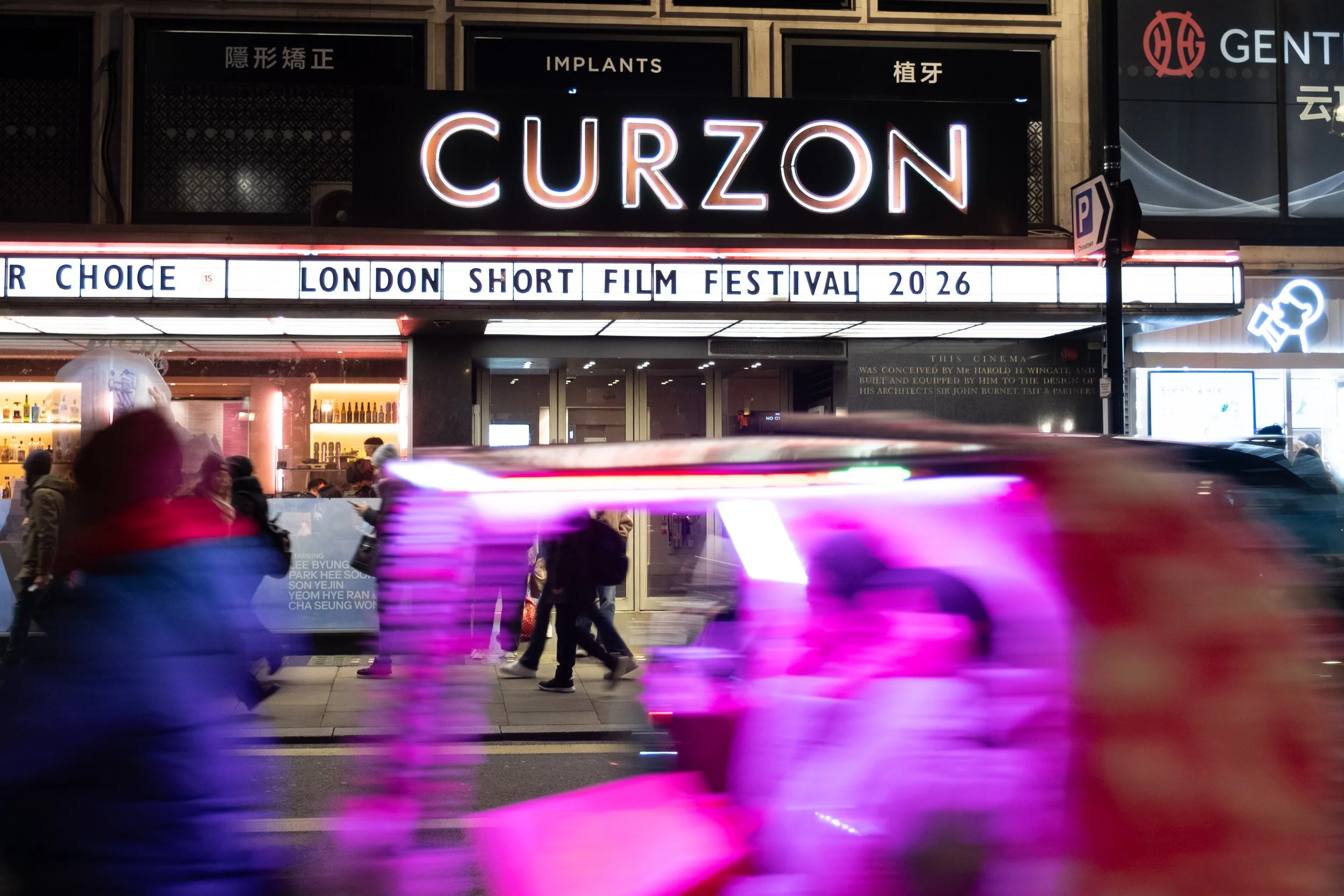
Curzon Soho | @ London Short Film Festival John-Paul Pierrot
300 films packed across 10 days, sprawling over the city. London Short Film Festival sits proudly at the start of the calendar year, a celebratory place for discovery, and a champion of independent cinema. From raw DIY confessionals to bold, cinematic storytelling, LSFF 2026 - the 23rd edition - celebrated short-form cinema in all its emotional range - personal, political, playful and defiant.
This year, the festival extended beyond cinemas into a constellation of venues - studios, meeting houses and community spaces - filling them with films that surprise, unsettle, comfort and linger long after the lights come up.
LSFF holds a distinct energy - part celebration, part provocation, and always a space for discovery.
A small but mighty team delivered LSFF 2026’s most ambitious edition yet - reaching record admissions, operating across more venues than ever before, and welcoming a remarkable 61% first-time audience. I worked as the freelance Marketing and Press Manager from November 2025 to February 2026 leading the marketing campaign across the expanded programme.
Cinema in Community and Creative Spaces
LSFF expanded beyond traditional cinema venues, bringing screenings into a range of community and creative spaces across the city. Each location was chosen for its connection to local cultural life - creating new ways for audiences to encounter short film.
From a working animation studio at Blinkink in Islington to grassroots hubs like Good Shepherd Studios in Leytonstone and Metroland Cultures in Kilburn, the programme invited audiences into spaces where creativity is already happening. Historic and community-led venues - including Toynbee Hall, Newington Green Meeting House and the Zoroastrian Centre - offered contexts shaped by dialogue, learning and collective experience.
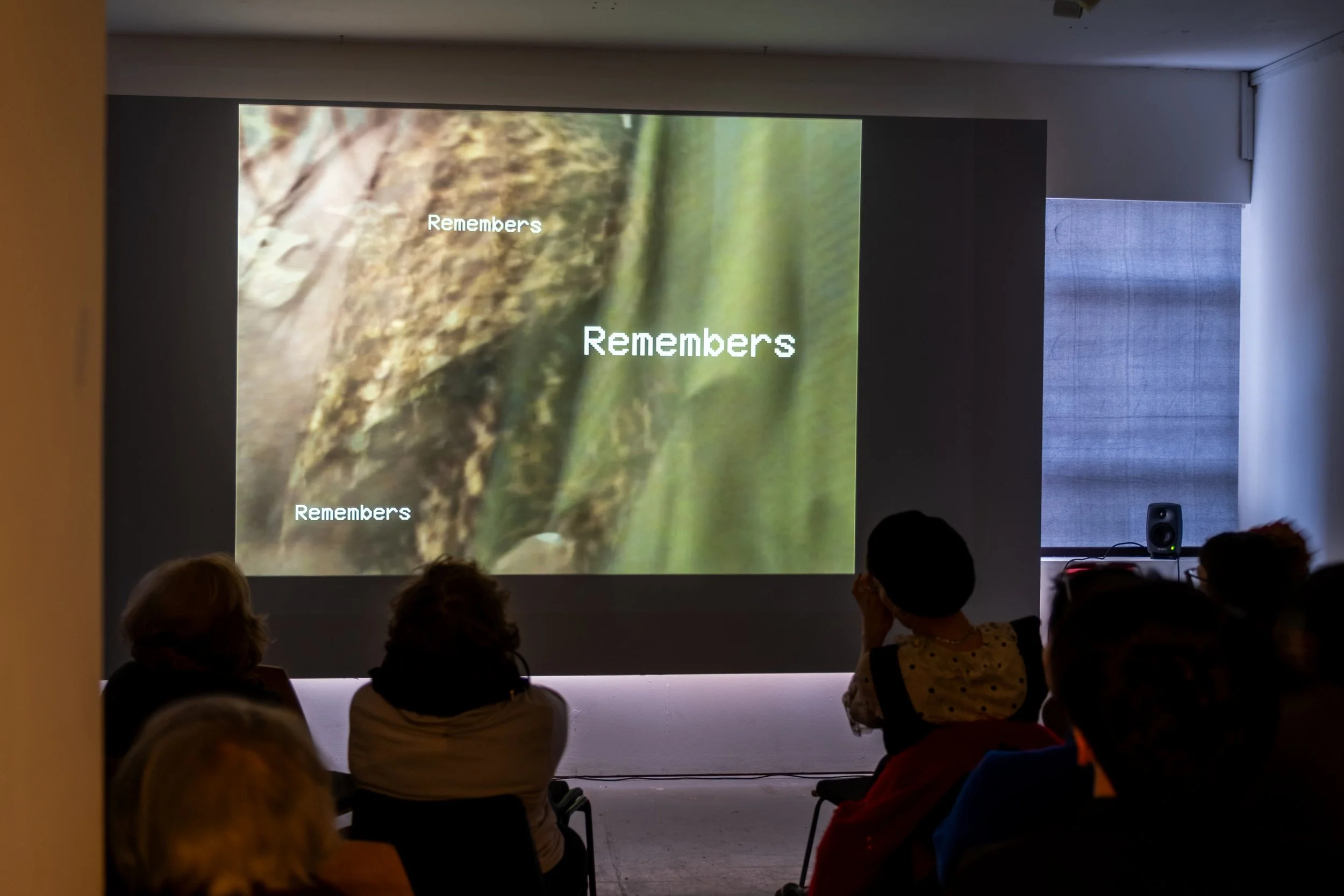
Metroland Cultures | @ London Short Film Festival John-Paul Pierrot
Spaces like Nunhead Community Cinema, Social Cinema Bromley and Sydenham Arts Film Club brought the festival directly into neighbourhood settings, while UCL East Community Cinema connected new audiences with emerging voices and bold ideas.
Each venue carried its own identity, but together they formed a wider network - one that reflects the festival’s commitment to accessibility, experimentation and community-led culture.
Cinema doesn’t just live on the screen. It lives in the spaces we gather in, the conversations that follow, and the connections we make along the way.
Our marketing approach was rooted in collaboration. Working closely with venue partners, programming collectives and local organisations, we relied on trusted networks to build awareness - allowing the festival to be shared within communities rather than simply promoted to them.
shoulder to shoulder
One of the most rewarding parts of the festival was speaking directly with audience members, many who had never attended the festival before. There was a genuine openness to trying something different, and a real appreciation for the eclectic nature of a short film programme. People weren’t just willing to take a leap of faith - they were excited by it.
It also reinforced something we often say but don’t always fully feel until moments like this: film is best experienced collectively.
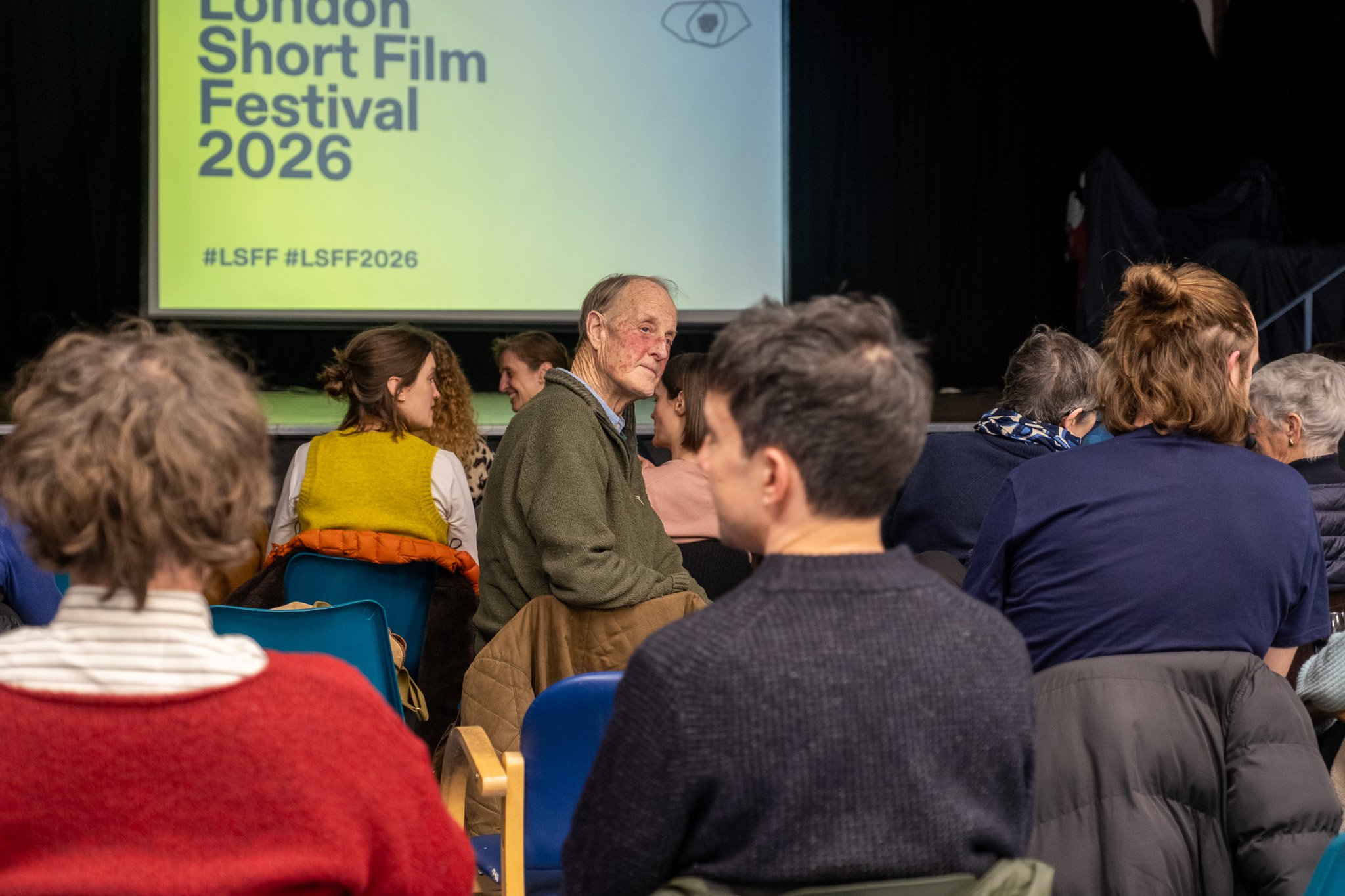
Sydenham Arts Film Club / @ London Short Film Festival John-Paul Pierrot
Bringing screenings into non-traditional spaces made that even more tangible. You’re more likely to turn to the person next to you when you’re sitting shoulder to shoulder on a fold-out chair. There’s an informality to it that changes how people engage - less passive, more present.
It’s also heartening talking to the organisers behind these community cinema clubs and spaces - people who are genuinely driven to bring film into their local areas. Working with limited resources, they create spaces that are welcoming, informal and rooted in their neighbourhoods. There’s a real sense of care in how they programme and host screenings, not just as events, but as moments of connection. It’s a reminder that cinema doesn’t need scale to have impact - it just needs people who believe in it enough to share it.
THE CENTRE OF GRAVITY
One of the central challenges of LSFF 2026 was scale. With hundreds of films spread across multiple venues and boroughs, the question wasn’t just how to promote the festival - but how to make it legible.
Short film, by nature, resists easy categorisation. Each programme carries a different tone, style and audience. What was a real benefit is that the festival has a strong centre of gravity.
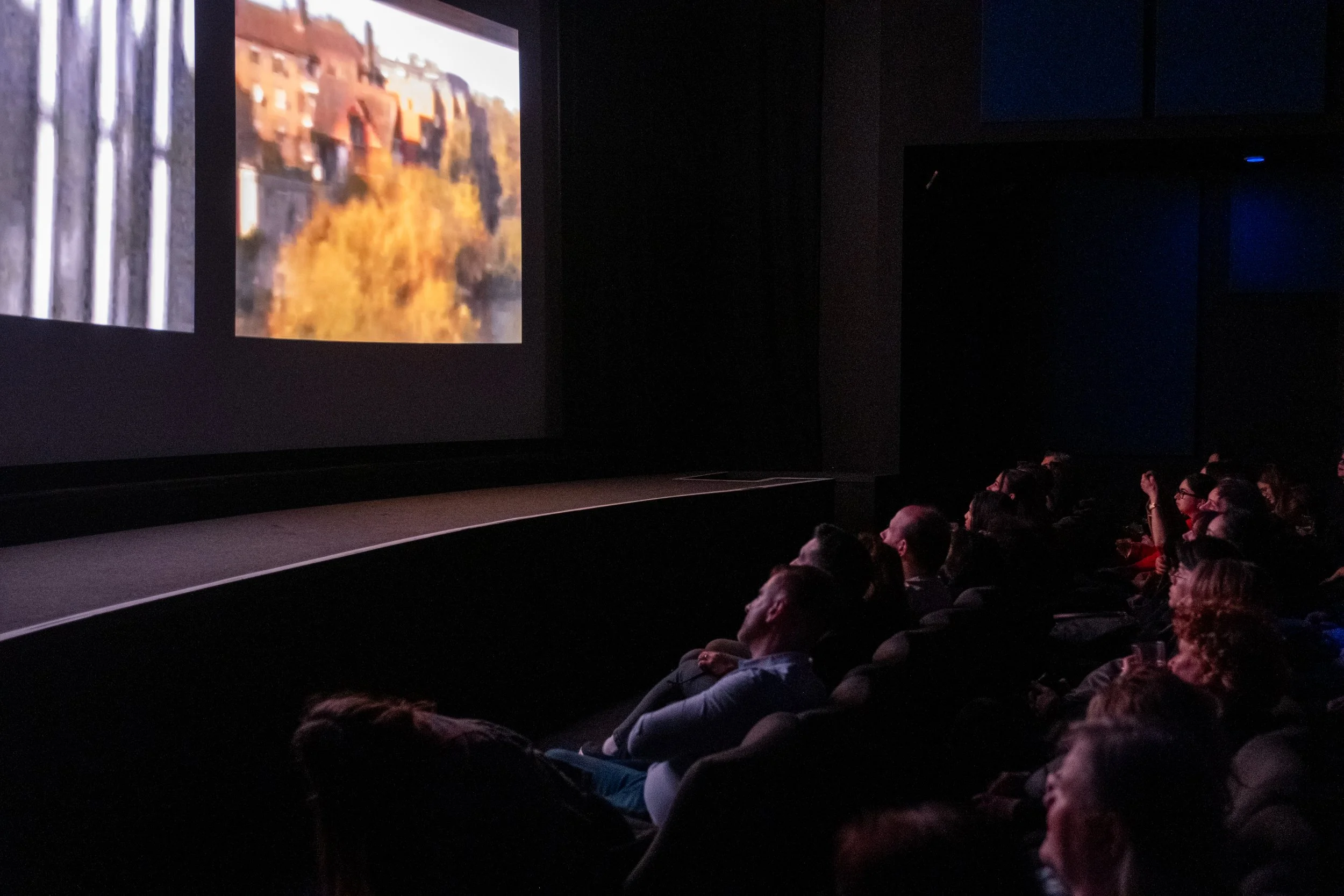
Opening Night / @ London Short Film Festival John-Paul Pierrot
Now in its 23rd year, LSFF is a firmly established fixture on the cinephile calendar, with a loyal audience and a palpable sense of goodwill surrounding the festival. It has an identity grounded by it’s film club roots: it’s a champion of independence, celebratory of diverse voices, and slightly unhinged in the best way - it sits somewhere between a film festival and a playground. That gave the marketing permission to follow suit. To be playful. A bit rough around the edges. Not overly polished, not over-explained.
For new audiences, that energy becomes the hook - an invitation into discovery. And it’s this identity that keeps LSFF not just established, but continually relevant.
SMALL TEAM. RECORD ADMISSIONS.
Film festivals require extraordinary reserves of energy, willpower, and creative thinking, particularly when working within tight budgets. By both the eye test and the numbers, LSFF 2026 was a tremendous success. It delivered record admissions, spanned more venues than ever before, and welcomed a remarkable 61% first-time audience.
This achievement is owed to the outstanding leadership of Festival Director Aleks Dimitrijevic, in her first year at the helm; to the vision of Artistic Director Philip Ilson and the programming team for shaping such a compelling programme; to the superhuman efforts of Festival Producer Alice Maestrini; and to the freelance marketing team - Holly Allan (Social Media), Lauren Gee (Outreach), and Maja Kaniewska (Assistant) - alongside the venue coordinators, volunteers, sponsors, and partners whose contributions made the festival possible.
@ London Short Film Festival 2026